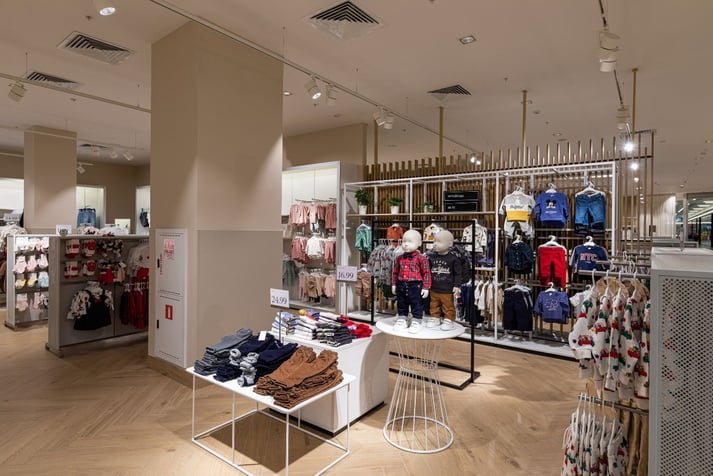
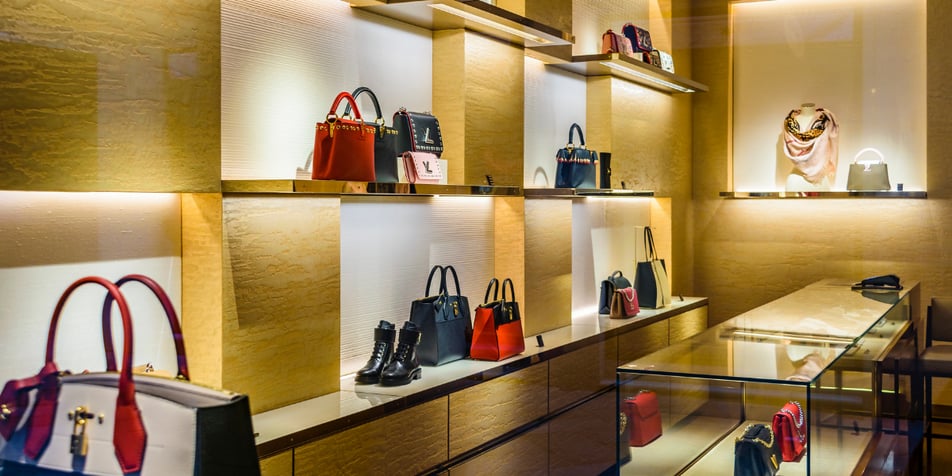
In the world of retail, a store appearance is more than just an aesthetic choice—it’s a direct reflection of the brand’s values, quality, and customer care. Every element, from the storefront to the interior layout, influences how customers feel about your business.
A strong store appearance can attract new customers, enhance brand loyalty, and improve overall sales. Here are 10 reasons why investing in store appearance is important for retailers:
- It draws foot traffic and boosts walk-ins.
- It establishes a positive first impression.
- It reinforces brand identity.
- It increases perceived product quality.
- It encourages longer shopping times and exploration.
- It builds customer loyalty and encourages repeated visits.
- It establishes trust and credibility with customers.
- It enhances marketing with strategic in-store displays.
- It boosts employee morale and efficiency.
- It differentiates your store from competitors.
In this blog post, we will dive deeper into those 10 reasons why store appearance is important.
1. Draws Foot Traffic and Boosts Walk-Ins
The storefront is the first thing potential customers see and a well-designed exterior can significantly impact whether people feel compelled to enter.
Factors like signage, window displays, lighting and cleanliness all play a role in creating an inviting exterior. A thoughtfully designed window display can showcase products, convey your brand’s identity and provide a glimpse of what customers can expect inside.
For example, a high-end fashion boutique might invest in seasonal window displays that use mannequins, elegant lighting and artful arrangements to create a luxurious and aspirational atmosphere. These displays not only showcase the latest collections but also communicate the brand’s unique style and quality. Similarly, a bookstore might create an engaging display featuring popular novels, curated collections, or seasonal themes, which catches the eye and makes people want to step inside.
A clean, well-lit entrance with easy access and clear signage further encourage people to explore. Landscaping and exterior decorations—such as holiday lights, flower arrangements, or welcoming signage—add a touch of warmth, making the store feel approachable and friendly. In crowded shopping areas, an attractive exterior can make the difference between a passerby glancing and a new customer walking in.
2. Establishes a Positive First Impression
The first few moments inside your store shape a customer’s overall perception and experience. If the environment is welcoming, clean and thoughtfully arranged, customers are more likely to feel comfortable and open to browsing. A well-designed interior layout, subtle ambient music and organized displays contribute to an inviting atmosphere that sets a positive tone.
Consider a coffee shop where warm lighting, comfortable seating and the aroma of freshly brewed coffee create a cozy environment. This inviting setting encourages customers to relax, linger and order additional items. Conversely, a store with harsh lighting, cluttered aisles, or noisy background music may create a sense of discomfort, prompting customers to leave quickly or even avoid returning.
Attention to small details, such as a pleasant scent, clean floors and organized checkout counters further enhance this positive impression. A welcoming atmosphere fosters trust and gives customers confidence in the quality of the products and services provided.
3. Reinforces Brand Identity
Every design element in your store, from the color scheme to the decor style, contributes to your brand identity. Your store should reflect the values and personality that define your brand, creating a cohesive experience that resonates with your target audience. This means that if your brand promotes sustainability, your store’s interior might incorporate natural materials, plants and energy-efficient lighting. Conversely, a high-end electronics store might favor a sleek, modern look with polished surfaces and futuristic lighting to emphasize innovation.
For instance, a health-focused organic grocery store might feature earth tones, wooden shelving, and eco-friendly signage to convey a commitment to sustainability. This consistent design language not only strengthens the brand’s message but also attracts customers who prioritize natural and eco-friendly products. When customers feel a connection to the brand’s identity, they are more likely to become loyal patrons.
4. Increases Perceived Product Quality
Customers often associate the appearance of a store with the quality of its products. This is a big reason why store appearance is important. A clean, organized and aesthetically pleasing environment suggests that the business values quality and takes pride in its offerings. On the other hand, a poorly maintained or cluttered store can make customers question the quality of the products, even if they are well made.
Take, for example, a luxury jewelry store. A refined interior with glass display cases, ambient lighting and plush seating areas communicates exclusivity and sophistication, which reinforces the value of the jewelry on display. Customers in such an environment are more likely to perceive the jewelry as high-quality and worth the investment. By contrast, a cluttered store with poor lighting and overcrowded shelves may cause customers to assume the products are less valuable or lower in quality.
5. Encourages Longer Shopping Times and Exploration
Store appearance is important because an inviting store design encourages customers to stay longer, browse and explore. When the store layout is well planned, with clear paths, organized sections and strategically placed displays, customers feel comfortable moving from one area to the next. This extended browsing time increases the likelihood of impulse purchases and allows customers to discover products they might not have initially considered.
Imagine a department store with themed sections, each containing coordinated product displays and engaging decor. Customers are more likely to explore each area, from the seasonal decor section to the clothing aisles, than they would if everything were scattered haphazardly. Organized, well-curated displays can help customers find what they need and introduce them to new items that spark interest, leading to higher sales per visit.
Stores with cozy seating, attractive decor and well-lit product displays make the shopping experience enjoyable, encouraging customers to take their time and explore. Retailers can also incorporate interactive elements, such as digital displays or try-on areas, to further enhance engagement.
6. Builds Customer Loyalty and Encourages Repeat Visits
A positive shopping experience doesn’t just encourage immediate purchases—it also fosters loyalty. When customers enjoy their time in a store and feel that their needs are met, they’re more likely to return. This sense of loyalty is enhanced when the store consistently provides a clean, organized and visually appealing environment.
Consider a bookstore that’s known for its peaceful ambiance, comfortable seating areas, and thoughtfully organized sections. Customers who appreciate this environment will remember it and return for future visits. This familiarity builds a connection with the store, encouraging repeat visits and even recommendations to friends and family.
Over time, a loyal customer base provides steady revenue and invaluable word-of-mouth marketing. A pleasant shopping environment is one of the most effective ways to build and retain a loyal following, which makes the store appearance so important!
7. Establishes Trust and Credibility with Customers
Another reason why store appearance is important is that a well-maintained store signals that the business values quality, professionalism, and customer satisfaction. This is especially important in industries where trust is paramount, such as health and wellness, beauty and electronics. A store that’s clean, organized, and visually appealing gives customers confidence that the products are trustworthy and well made.
For example, a pharmacy with spotless floors, clearly labeled sections and well-organized shelves conveys a sense of care and professionalism. This reassurance is crucial when customers are purchasing health-related products or seeking advice. Conversely, a store that appears neglected may raise doubts about product quality and lead customers to seek alternatives elsewhere.
In fields like high-end electronics or cosmetics, where customers are often making significant investments, a professional store appearance is vital to establishing credibility and ensuring customers feel comfortable with their purchases.
8. Enhances Marketing with Strategic In-Store Displays
Store appearance goes beyond decor; it includes strategic in-store displays that promote specific products or seasonal collections. These displays can guide customer attention, highlight new arrivals, and create a sense of excitement around certain items. Purposes of in-store displays include drawing attention to high-margin products, promoting sales events and enhancing the overall shopping experience by making it easier for customers to find what they’re looking for.
For instance, a clothing store might feature mannequins dressed in the latest fashion trends at the front of the store to entice customers to explore further. Additional displays placed along the aisles could showcase accessories or seasonal collections, encouraging customers to consider complementary items. These displays not only add visual interest but also serve as powerful marketing tools, making the most of the store’s layout to increase sales.
In-store displays also allow retailers to showcase products in real-life settings, helping customers visualize how they might use them. This interactive and engaging experience can boost sales and create a more memorable shopping experience.
9. Boosts Employee Morale and Efficiency
Store appearance is not only important for customers, but also for employees! Indeed, a well-maintained and aesthetically pleasing store environment benefits employees as much as customers. When staff members work in a clean, organized and visually appealing space, they’re likely to feel more comfortable and take pride in their workplace. This morale boost translates to higher productivity and more positive customer interactions.
Employees in an attractive store setting are also more likely to maintain that standard, creating a cycle of cleanliness and care. For example, a grocery store with clear, organized storage areas, well-labeled shelves and a clean layout makes it easier for employees to find items and restock efficiently. This efficiency benefits customers, who can easily find what they need, which enhances the overall store atmosphere.
A positive work environment also makes employees more likely to provide excellent service, contributing to a pleasant shopping experience for customers. This connection between store appearance, employee satisfaction and customer service is a powerful tool for creating a successful retail environment.
10. Differentiates Your Store from Competitors
In a competitive market, having a unique and memorable store appearance is important if you want to stand out. A distinctive, visually appealing environment not only attracts customers but also encourages them to remember your brand. By incorporating creative elements, interactive displays, or themed decor, retailers can create an experience that sets them apart from the competition.
For instance, a toy store that embraces a playful design with bright colors, whimsical displays and interactive play areas creates an experience that resonates with children and parents alike. This fun, immersive environment makes the store memorable and encourages families to return for a unique shopping experience they can’t find elsewhere.
A memorable store appearance can also spark word-of-mouth marketing, as customers are more likely to tell friends about an unusual or enjoyable shopping experience. This uniqueness is a key differentiator, helping your store stay top-of-mind and attract loyal customers in the long run.
By investing in these ten reasons why store appearance is important, retailers can create an environment that attracts new customers, fosters loyalty, and sets their brand apart. Each element, from strategic displays to thoughtful decor, contributes to a successful and engaging retail experience.[dub_vc_book_demo]