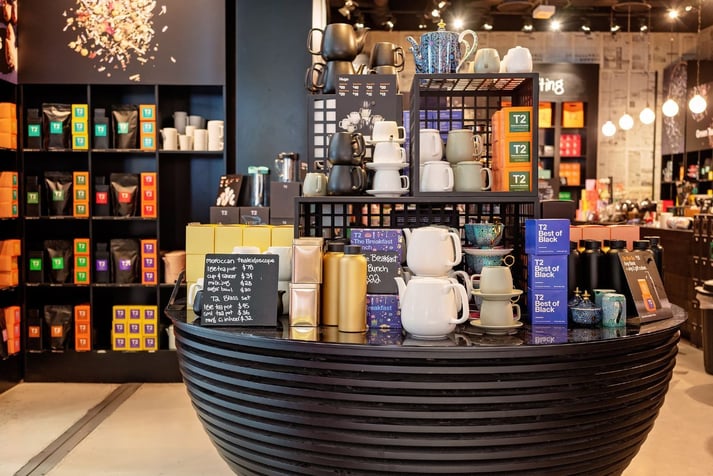

A hybrid retail store combines both physical and online shopping experiences, giving businesses a flexible way to meet customer needs. It’s a mix of the traditional brick-and-mortar shop and an online store.
This model allows retailers to offer a wide range of products and services while giving customers the convenience of choosing how they shop. Whether people prefer in-person shopping or the ease of ordering online, hybrid retail stores cater to both preferences.
Hybrid retail has become increasingly popular as customers continue to embrace online shopping while still valuing the in-person experience that physical stores provide. This dual-channel approach offers a lot of flexibility for retailers, allowing them to meet customers where they are.
By combining the strengths of both sales channels, hybrid stores can offer a more comprehensive shopping experience. However, running both an online store and a physical location requires strategic planning, robust technology and careful management, especially when it comes to inventory.
Pros of a Hybrid Retail Store
The hybrid retail model provides businesses with many advantages that help them stay competitive in today's retail environment. Retailers can take advantage of both online and offline platforms, allowing them to adapt to changing consumer preferences and provide better shopping experiences. However, to fully benefit from this approach, retailers need effective systems to handle the complexities of managing multiple sales channels.
Here are 4 advantages of a hybrid retail store.
1. Increased Reach and Customer Engagement
By operating both in-store and online, businesses can expand their reach significantly. This helps them cater to different types of customers—those who prefer to touch and see products and those who value the ease of shopping online.
This broader customer base can boost sales and foster brand loyalty. With a physical store, businesses can engage local customers, while an online presence allows them to serve customers everywhere.
Discover more ways to foster brand loyalty in our blog post.
2. Data-Driven Insights
Hybrid retail stores give businesses access to rich data from both online and offline sales. This allows retailers to analyze customer behaviors, track popular products and create better strategies for future sales.
Having data from both channels provides more comprehensive insights into trends, making it easier to adapt to customer preferences. Retailers can also use this data to tailor their marketing strategies, improving customer retention and overall sales performance.
3. Improved Flexibility for Promotions
With two sales channels, businesses can run promotions both online and in-store. For example, online-exclusive discounts can attract internet shoppers, while in-store events can draw foot traffic.
A hybrid retail store also lets retailers test different promotion approaches and find what works best for their customer base. This flexibility can be particularly useful during peak seasons or when launching new products, as retailers can promote across both platforms to maximize exposure.
4. Inventory Control and Customer Satisfaction
Hybrid stores can manage inventory more efficiently, especially with systems like Alice POS, which integrates online and physical store inventories.
This allows for easy tracking of stock levels, reducing the chances of stockouts or overstocking. Customers also benefit from real-time stock information, improving their shopping experience by providing accurate product availability. By ensuring that inventory is always up to date across both channels, retailers can avoid disappointing customers and improve satisfaction levels.
Cons of a Hybrid Retail Store
While hybrid retail offers many benefits, it also comes with its challenges. Managing both an online and physical store requires more effort, as businesses need to balance operations across two distinct channels. Without the proper systems in place, managing inventory, customer service, and logistics can quickly become overwhelming.
Here are 4 disadvantages of a hybrid retail store:
1. Complex Inventory Management
One of the major challenges with hybrid retail is managing two types of inventory—physical and online. Without the right tools, keeping track of what’s in stock can become overwhelming. Mistakes can lead to frustrated customers when they find that an item they ordered online is out of stock in-store.
However, this complexity can be managed with Alice POS, which helps retailers keep inventory organized by integrating it across platforms. With this system, retailers can seamlessly manage both physical and online inventories, streamlining the process and maximizing profit.
2. Increased Operational Costs
Running two sales channels can come with higher operational costs. Businesses need to manage their online store platform, maintain the physical store and ensure that both are functioning smoothly. This means potentially needing more staff and resources, which can stretch the budget. In addition to staffing, there may also be additional technology and shipping costs for the online portion of the business.
3. More Demanding Customer Service
With both an online and physical presence, customer service becomes more demanding. Shoppers will expect the same level of service regardless of where they buy.
Businesses need to ensure that customer service is equally responsive online and in-store, which can be a challenge, especially for smaller retailers. Fulfilling customer expectations across both channels can require more training, better communication systems and sometimes even specialized staff for online customer support.
Find out how to give good customer service to your retail customers in our blog post.
4. Technical and Logistical Challenges
Setting up and maintaining both an online and physical store requires expertise in e-commerce, web design, and logistics. Retailers need to deal with shipping, returns and customer support for online orders while maintaining the physical shop’s operations.
For business owners that aren’t tech-savvy, this can be overwhelming. While these technical challenges can slow down operations, having the right tools, such as Alice POS, can significantly simplify these processes.
Managing a Hybrid Store With POS Integration
One of the biggest challenges hybrid retailers face is managing both online and physical sales channels effectively. Without proper integration, businesses risk inventory discrepancies, poor customer experiences, and operational inefficiencies.
Systems like Alice POS offer a solution by centralizing the management of the inventory, prices and promotions of both channels. This not only makes it easier to track inventory across both platforms but also improves the overall efficiency of the business.
By using a POS system that integrates seamlessly with e-commerce platforms, retailers can reduce the risks of errors and save valuable time. This centralization allows for better stock control, ensuring that products are available when and where customers want them. Additionally, it helps prevent issues like overstocking or stockouts, which can impact profit margins and customer satisfaction.
Adapting to Changing Consumer Behavior
With consumer behavior constantly evolving, retailers must be ready to adapt to new trends. The hybrid retail model allows businesses to stay flexible and cater to changing customer preferences. For example, the rise of e-commerce has pushed many consumers to shop online, but there is still a demand for in-person shopping experiences, especially for products like clothing, electronics or furniture.
Having a hybrid approach allows businesses to meet customers on their terms. Some shoppers may prefer browsing in-store, while others want the convenience of placing orders online and having them delivered. As shopping habits change, hybrid retail allows businesses to offer the best of both worlds, making it easier to retain customers and attract new ones.
Embracing the Future of Retail With Hybrid Models
As technology continues to advance, hybrid retail stores are likely to become even more sophisticated. Retailers who embrace this model early on can set themselves up for long-term success. Integrating e-commerce and physical store operations is not only more convenient for customers but it also makes it easier for retailers to grow and scale their businesses.
Many businesses are now using the bricks-and-clicks business model to leverage both their physical locations and online platforms effectively. By using systems that help manage both channels, retailers can streamline their operations and create a more unified shopping experience for their customers. Similarly, POS integration with e-commerce has become a critical component for retailers looking to simplify their workflows and improve overall efficiency.
In conclusion, the hybrid retail model offers significant benefits for businesses willing to invest in the right technology and strategies. While it comes with challenges, using tools like Alice POS can help overcome many of the difficulties associated with managing multiple sales channels, ensuring a smoother, more profitable operation.[dub_vc_book_demo]